BDHH October 2026 News & Updates
-
Dr. Rowan Adams (Musculoskeletal Osteopath)
-
Kayla Thorpe (Remedial Massage BN)
-
Shockwave Therapy (SWT)
-
SWT: Clinical Case Study
-
Spring Promotion: Stress & Resilience
-
Stress Tips
-
Leave a Review
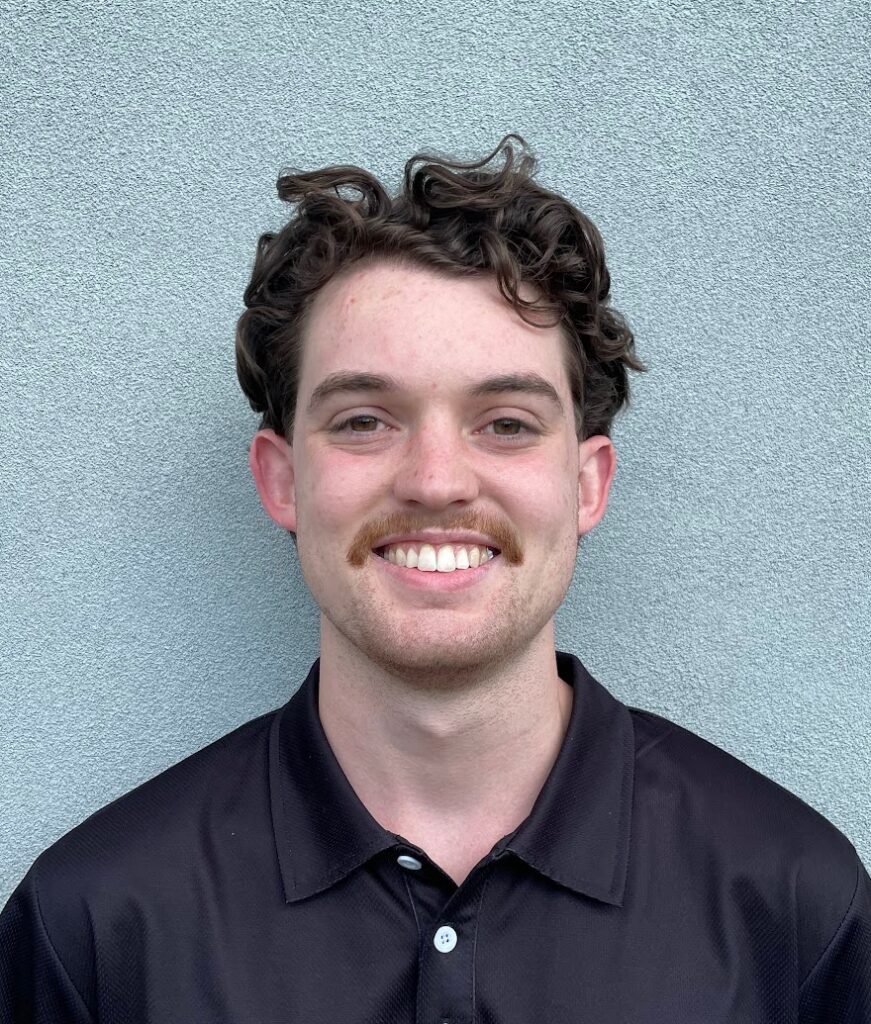
Dr. Rowan Adams – Musculoskeletal Osteopath
Joining the team @ Bayswater North this October, Rowan is excited to continue his journey with BDHH on Tuesday and Thursday afternoons. With Luke and Jonathan away for a few weeks each in October and November, Rowan is ready to hit the ground running and help out!
Rowan has a particular interest in the assessment and management of vertigo and dizziness, neck pain, and lower limb injuries. He believes successful treatment is about more than short-term pain relief, combining hands-on care, clear education, and practical exercise strategies to help patients achieve lasting results. He will also continue the electro-needling treatment option, provided by Dr. Steph previously and he will also liaise with local businesses to provide high level care for their employees and contractors.
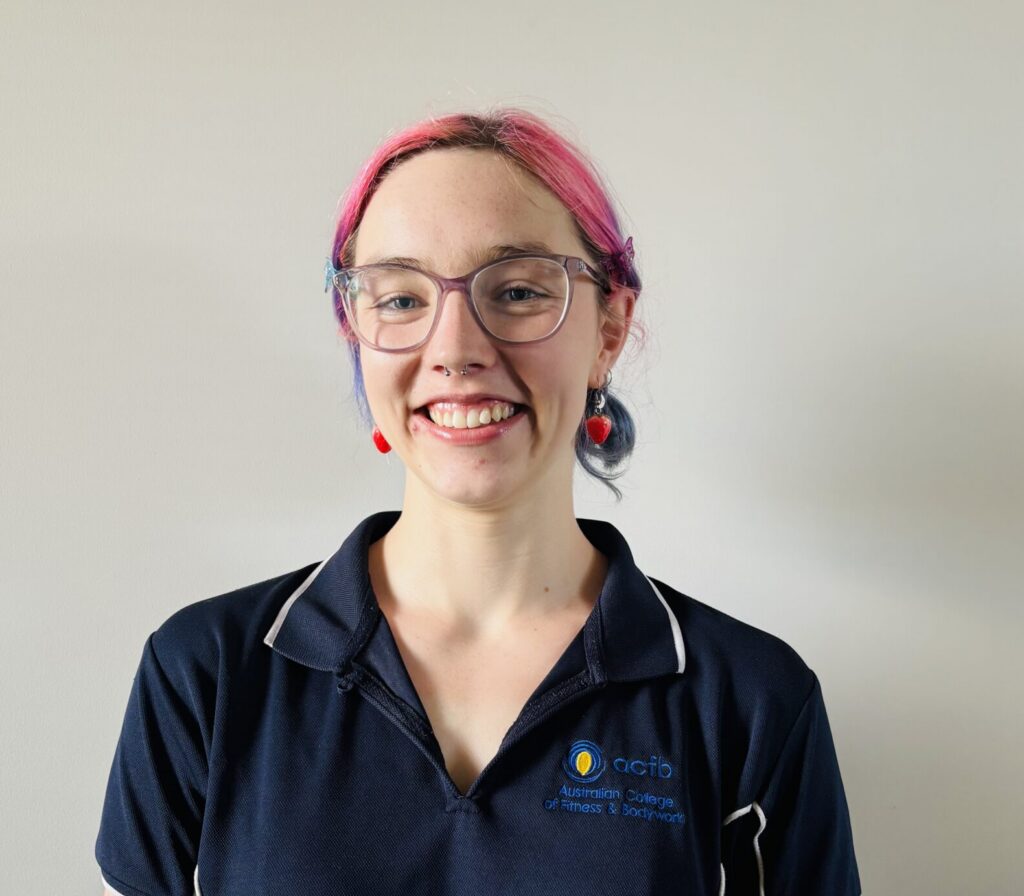
Kayla Thorpe – Remedial Massage Therapist
Kayla is completing her handover from Samantha and will be commencing at our Bayswater North clinic from October 19th. She has private health insurance available, along with third party payers including aged care, TAC and Workcover funding. Kayla is energetic and having already completed her remedial course, is finishing off her Myotherapy clinics and study. She will continue to be available on Monday afternoons.
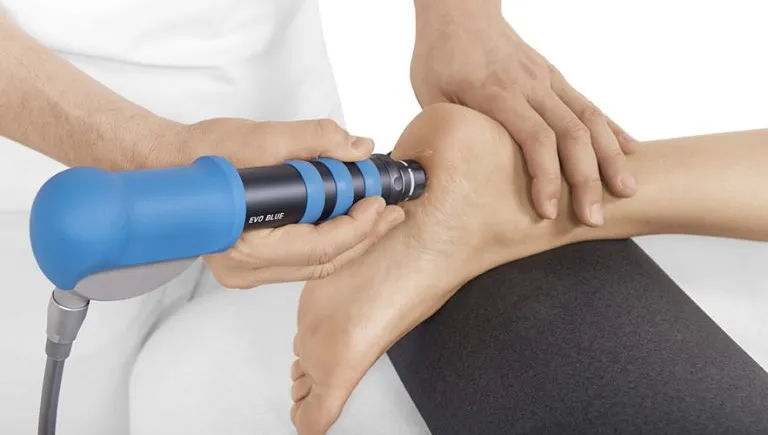
What is shockwave therapy?
Extracorporeal shockwave therapy (ESWT) uses acoustic (sound) wave pulses delivered through the skin to the affected tendon via a handheld device. Despite the name, it isn’t an electrical shock — the “shockwave” refers to the rapid pressure pulse the device generates. These pulses are thought to stimulate local blood flow and cellular activity in the treated tissue, which may help kick-start the tendon’s own healing response in cases where that process has stalled — as it commonly does in chronic tendinopathy.
What is tendinopathy, and why does it become so persistent?
Tendinopathy refers to a painful, often thickened tendon that hasn’t been healing well, usually as a result of repeated overload beyond what the tendon can currently tolerate — common examples include Achilles tendinopathy (back of the heel), patellar tendinopathy (“jumper’s knee”), lateral epicondylitis (“tennis elbow”), and plantar fasciitis (heel/arch pain). Unlike an acute strain, tendinopathy often involves a chronic, somewhat “stuck” tissue-repair process — which is exactly why rest alone frequently isn’t enough, and why targeted treatment, including graded loading exercise, tends to matter more than for many other injuries.
If you are suffering from chronic tendinopathy issues, then this treatment option and a commitment to 5 sessions, could change your pain. Please book with one of Osteopaths trained in using Shockwave Therapy.
Ten Years of Hip Pain, Five Sessions of Shockwave
A Case Study
Some patients arrive at our clinic having tried everything. This is the story of one of them.
The problem that wouldn’t go away.
Our patient, a 58-year-old woman, had lived with pain on the outside of her hip for more than a decade. The diagnosis was gluteal tendinopathy, a degenerative change in the tendons that attach the gluteal muscles to the bony point of the hip (the greater trochanter). It’s one of the most common causes of lateral hip pain, particularly in women over 40, and it’s often grouped under the broader label of greater trochanteric pain syndrome (GTPS).
If you’ve had it, you’ll know the pattern. Lying on that side at night becomes impossible. Stairs, hills and getting out of the car ache. Standing on one leg to put on your pants hurts. Crossing your legs, once automatic, becomes something you avoid.
Over those ten years she’d done what most people in her position do. She’d completed rehab programs, had hands-on treatment, and had corticosteroid injections. Each option helped for a while, and then the pain came back.
Why tendon pain can be so stubborn?
Tendinopathy isn’t primarily an inflammation problem, which is part of why it can be so frustrating. Over time the tendon’s structure changes, and it becomes less able to tolerate load. Treatments that settle pain in the short term, like injections, don’t necessarily rebuild the tendon’s capacity. Research on gluteal tendinopathy has shown that education and a targeted loading program tend to outperform a corticosteroid injection over the longer term.
Tendons also respond slowly. When a chronic tendon has been irritable for years, it sometimes needs an extra stimulus to get the healing process moving again. That’s where shockwave therapy comes in.
The plan
Rather than repeating what hadn’t worked, we combined two approaches.
1. Targeted shockwave therapy. Five sessions, spaced about a week apart, focused precisely on the affected gluteal tendons.
2. Progressive tendon loading. A structured exercise program that started with gentle isometric (static) holds to settle pain, then built gradually to stronger, more functional exercises. Just as important was load management: avoiding the positions that compress the tendon, like crossing the legs, hanging on one hip while standing, and sleeping on the painful side without a pillow between the knees.
The shockwave helped the tendon respond, and the exercise program gave it the strength to cope with daily life.
The outcome
After five sessions, combined with her ongoing exercise program, she reported that her hip pain had resolved. She could now sleep on her side, walk and use stairs comfortably, and do the everyday things that had become difficult over the previous decade.
After ten years of short-lived fixes, that was a significant change, and she was delighted.
What this means for you
Every person and every tendon is different, and results vary. Shockwave therapy isn’t suitable for everyone, and it isn’t a guaranteed fix. This case does show, though, that long-standing tendon pain isn’t necessarily a life sentence, even after other treatments haven’t lasted.
If you’ve been living with pain on the outside of your hip, it may be worth an assessment. We’ll look at what’s driving your pain, talk through whether shockwave therapy could be part of your plan, and build a program that fits your life.
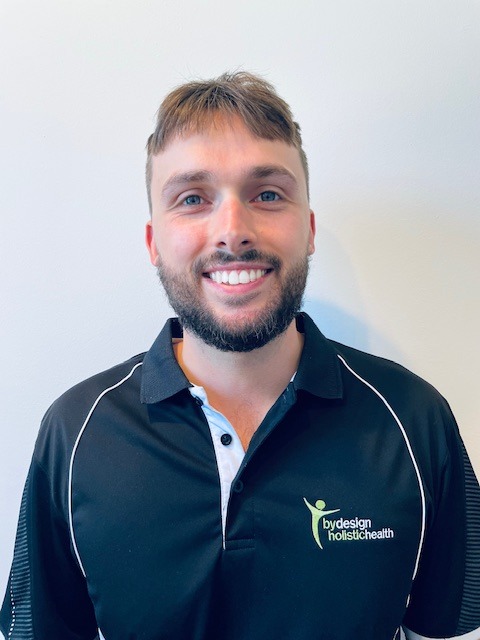
Dr. Steve Vickery (Osteopath)
Spring Time Promotion: Stress & Resilience
Work pressures, financial concerns, family relationship challenges or just not coping, are all things we face as part of being human. For some this takes a large toll on not just the mental and emotional person, but the physical aspect too.
Science has proven significant correlations between levels of stress and quality of life. Stress in the short term is manageable, but when stress is prolonged, it can wreak havoc on our body. It can dampen the immune system, increase inflammation, slow down (or speed up) our digestion and impact our ability to absorb nutrients.
Managing stress through diet and lifestyle strategies, as well as through nutrient and herbal supplementation is key to counteracting its physiological effects on our body.
For October & November, we are offering 10% off our range of products that help manage the physiological and mental effects of stress.
If you feel you could benefit from a consultation with one of our Psychologists or with a Naturopath, please click the link below to book in.

Stress Tips
We are pleased to provide a link for those wishing to take seriously a stress reduction pathway for health benefits!
Reduce your stress with these 5 tips

Leave a Review
Thank you to all of our patients and clients who have submitted a review of BDHH Lilydale or Bayswater North on Google this year. If you have not had a chance yet, our team would really appreciate you taking 2 minutes to submit one.
